
At CarnivoreWeb.com, we independently review products and outfitters. However, we may earn a commission when you purchase products through links on our site. Read our affiliate policy. Read about how we test products.
How I bagged my first Rio turkey down in Oklahoma with the MIGRA Ammunition crew.
A little over a year ago, I had just started doing some freelance work with MIGRA Ammunition. MIGRA is a huge player in the waterfowl space, and the community the brand has built was very intriguing. But when I heard they were working on a stacked TSS load for turkey hunting, I was super excited. I grew up hunting gobblers, but have only gotten to waterfowl hunt a handful of times, so saying it’s very familiar would be a lie.
When I got an invite from MIGRA to take a trip to Oklahoma to chase Rios, I was extremely excited. First, I was excited to hang out at camp with the MIGRA crew, but of course, checking a Rio off the list was going to be a once-in-a-lifetime experience.
I have chased Easterns here in New England for over 20 years, but haven’t ventured too far from home. I had heard that Rios love to gobble and are extremely aggressive. Oklahoma was a new destination for me, and mid-April was the perfect time to hunt. The guys had been extremely successful in years past, and the smiles on everyone’s faces told the story.
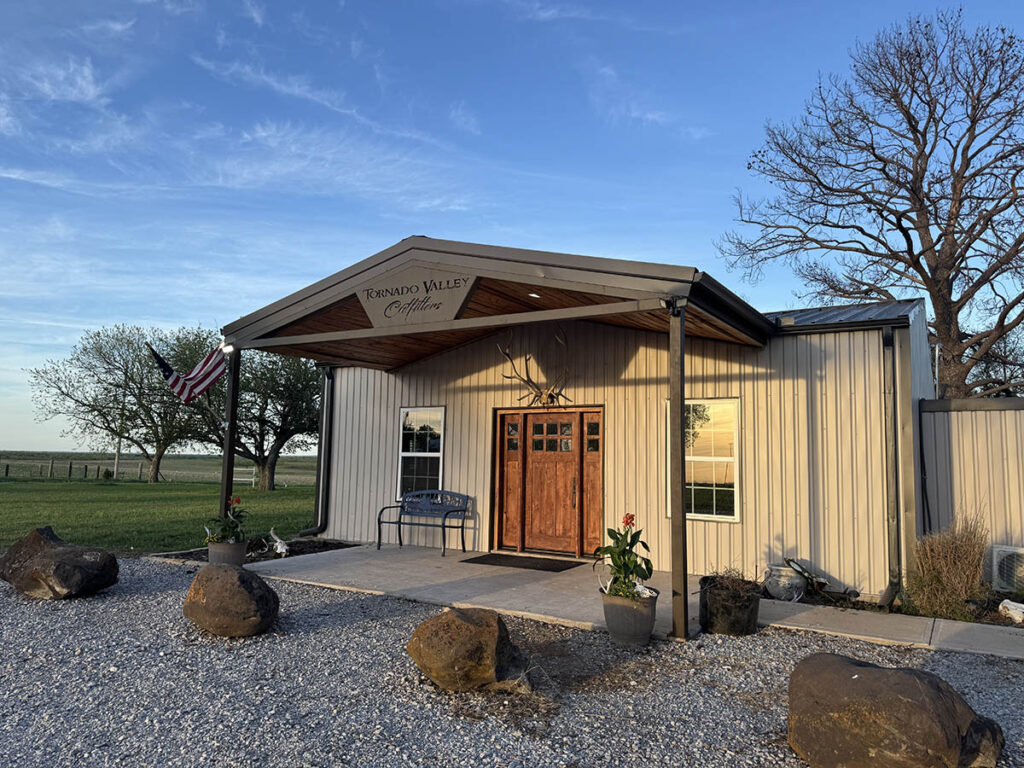
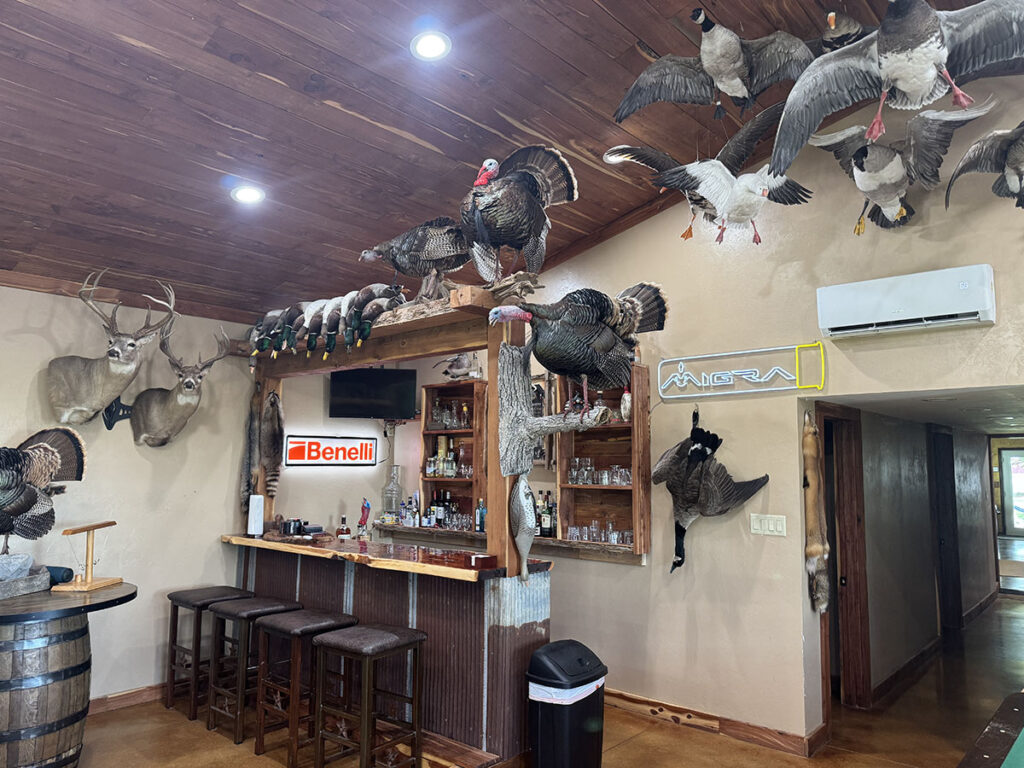
I arrived at Tornado Valley Outfitters (TVA) before anyone else and got to spend some time looking around the lodge. It was easy to tell that Trey and Trent Jones run a great camp. Soon, everyone else arrived, and we learned our plans for the next couple of days.
We broke off in pairs, and I was lucky to hunt with Doug, the CFO at MIGRA, and Trent Jones, co-owner at TVA. We headed out early to a staple spot for Trent. When there isn’t anything going elsewhere—or even if there is—this location has held turkeys and has been very successful in the past.
We slipped into a little field edge in a small patch of trees, popped up the Game Winner Turkey Chairs, and settled in. As the darkness faded and the sun started to peek over the rolling hills, the birds were roosted right where Trent expected—about 500 yards out in front of us, across a small hedgerow and on the edge of a narrow strip of pasture. Generally, the birds work through and make their way across the open area into the vast pasturelands around us.
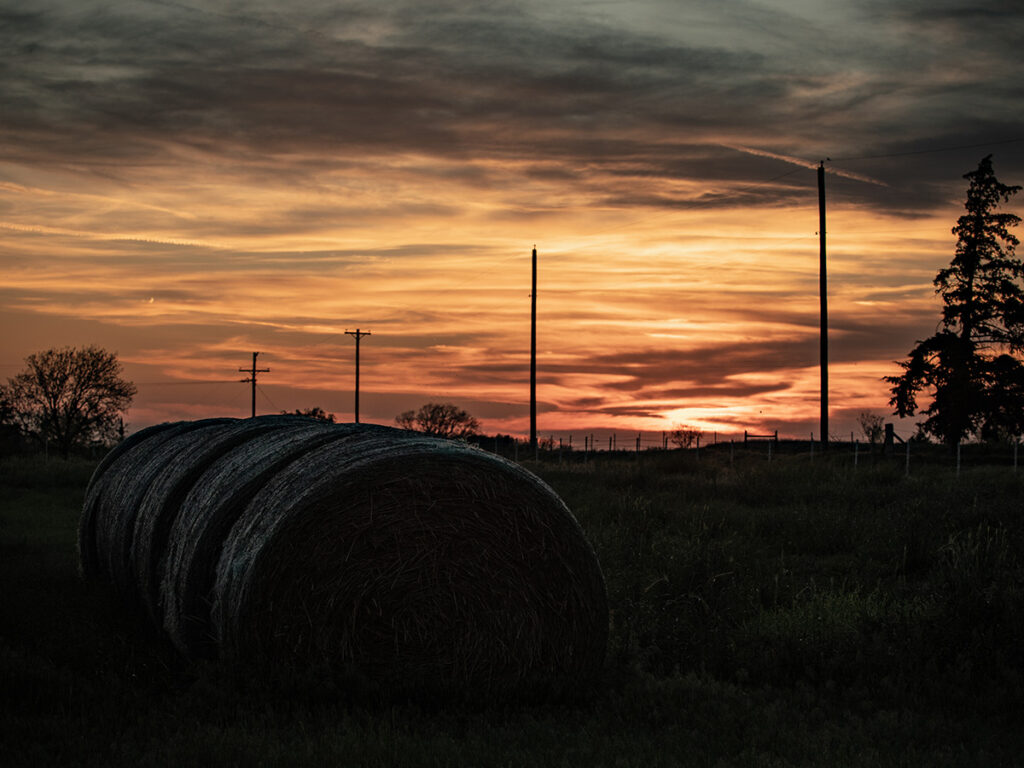
As I have seen several times before, it doesn’t matter if you think you know what’s going to happen—the birds can always have other things on their minds. After flying down and a sequence of back-and-forth calling, the flock slipped up the adjacent ridge and settled in for the time being.
We stayed put for over an hour, hoping a gobbler would break free and investigate our decoy spread. While a couple of birds did break free, they were jakes—and they put on a show. For over an hour, they hardly left strut, gobbling on their own every few minutes, and didn’t seem concerned when a couple of us slipped back over the hill to use the restroom.
Eventually, the hogs moved in, the jakes moved on, and Trent was excited to move a couple of miles down the ridge to see if we could call in a late-morning gobbler. Without any luck, we enjoyed the morning sun, narrowly falling asleep, but the day was young.
Unlike back home, where the season ends at noon, in Oklahoma hunters can hunt all day, and the afternoon hunt can almost be more fun than the morning. Trent knew of another area where he had recently seen a flock crossing one of the crossroads, working back toward the roost from a large pasture area. The plan was to slip in, find a decent area to sit for a few hours, and cut the birds off as they moved through.
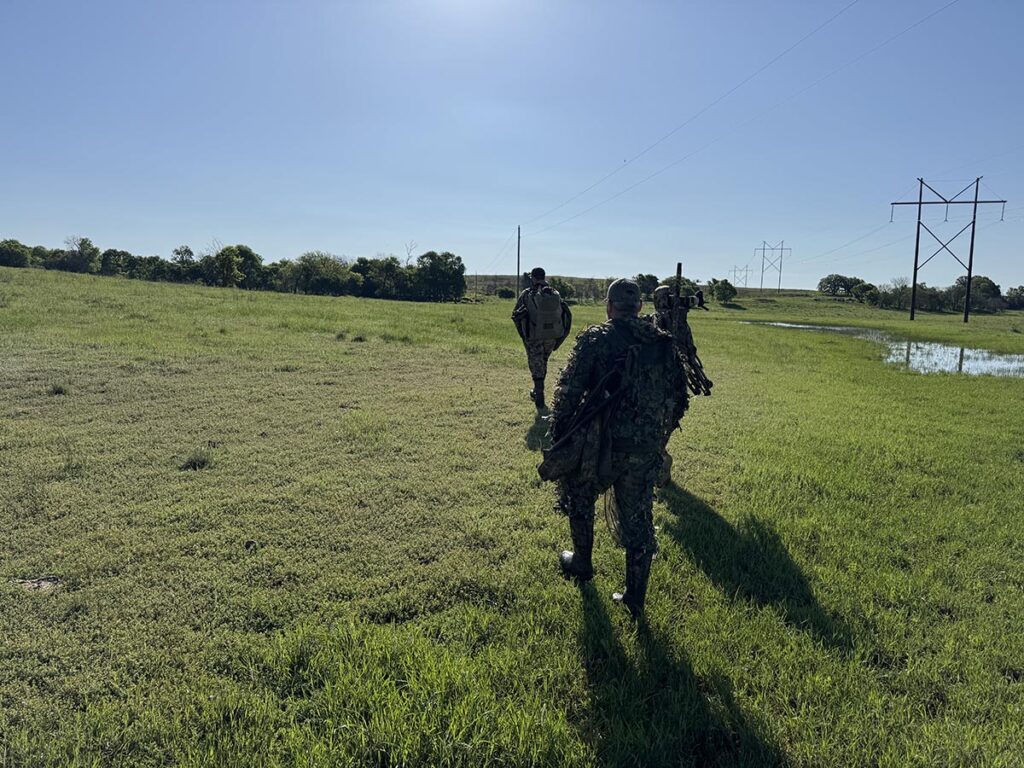
As we entered the pasture, it was evident we’d have to decide which side of the brook we thought was best. The creek weaved through with pastures on either side. There was decent cover wherever we went, but without putting eyes on the birds, we were guessing where they were.
And we guessed wrong.
As expected, Trent’s calling struck up a lone gobble way off in the distance. It seemed to me the bird was over a mile away, but Trent was confident that the aggression of Rios meant they could cover ground fast.
He was right.
The next gobble sounded like the big Rio had cut the distance in half.
We readied ourselves, with Doug on the gun first. I kept my eyes peeled in the distance and caught a glimpse of a turkey. What we didn’t realize was that the creek behind us meandered through the pasture and made a hard turn. The bird was on the other side of the creek and moving fast.
We did not expect the next gobble to be behind us, about 60 yards on the other side of the creek.
We were trapped.
The bird didn’t like what he saw and slipped off, never to make another sound.
We were discouraged, but it was only day one. Several of the guys in camp had successful mornings. After a delicious meal and an early bedtime, we were ready for day two.
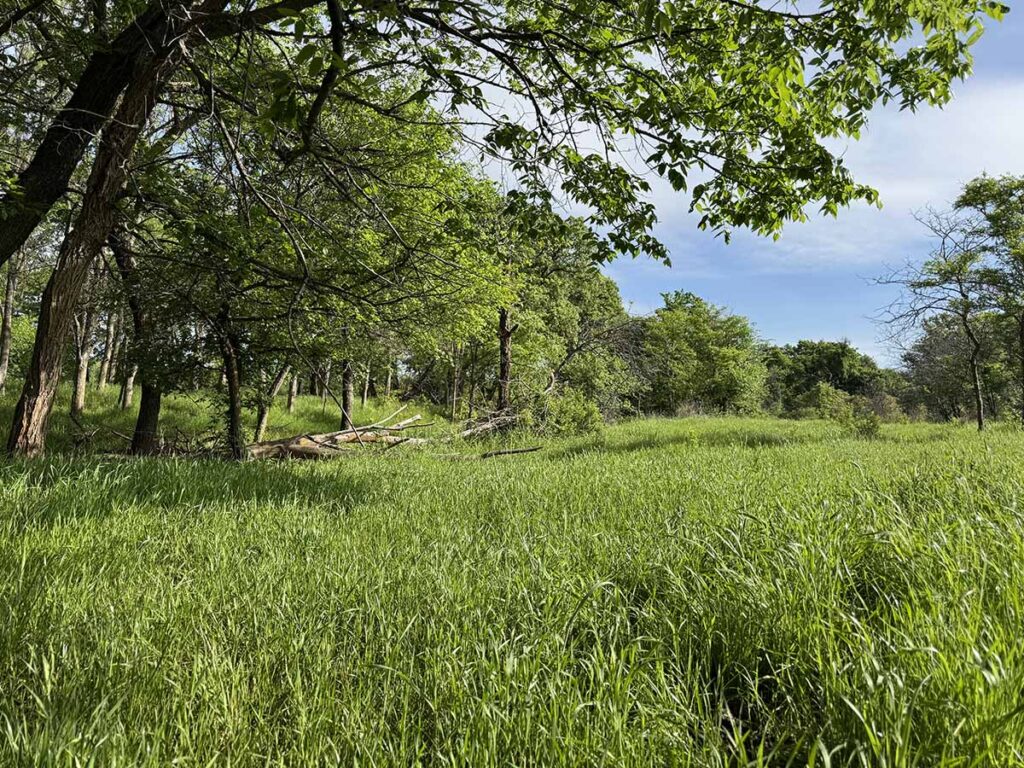
With only a couple of guys with tags left, we changed things up slightly. I was hunting with Isaac, a partner of Trent and Trey, and we were headed out in the rain to a new area with difficult access, but a lot of turkeys gobbling in the roost the evening before.
Isaac had a good idea of roughly where the birds were, but wasn’t sure exactly where to set up. We slipped through what looked like a jungle of brush mixed with timber, clawing our way through and crossing ditches full of muddy water from heavy rains.
Once we broke into the pasture on the backside, we pulled leaves and vines off us and crept along the gentle slopes toward the turkeys.
We had a little time before daylight. It was fairly open, with patches of brush and grass offering plenty of places to set up. The decoys were out, and we blended in perfectly with SITKA’s Equinox Guard in Optifade Cover.
However, the birds gobbled, and we quickly realized we were not ideally set up.
But they were Rios.
And with decoys visible to any approaching turkey, we were still in the game.
The birds flew down, and we could hear them clearly gliding from the timber edge. They seemed to land right behind us. Isaac slowly turned his head and could see most of the flock—many within 10 yards.
Again, we were trapped.
I was unable to turn, and the birds worked behind me from left to right, up the hill and behind some brush. The plan was to hopefully sucker one down once they broke the brush and could see the decoys.
I kept my eyes peeled to the left, expecting a curious gobbler to slip around.
Then I peeked back—and a lone tom was standing about five yards behind Isaac.
I whispered, “Do not move. Right behind you.”
He whispered back, “Can you turn and shoot?”
I slowly shook my head.
The bird was locked on the decoy but needed to move about 10 yards to clear Isaac and get closer to the decoys for me to even have a chance.
What felt like an hour passed.
Still at five yards, I couldn’t take a shot. The bird had to move farther—almost directly into my gun barrel.
With MIGRA’s 20-gauge TSS and the Mossberg shotgun ready, I would have much preferred a 20-yard shot. But once the bird stepped into my shooting lane with his head high, he suddenly started putting.
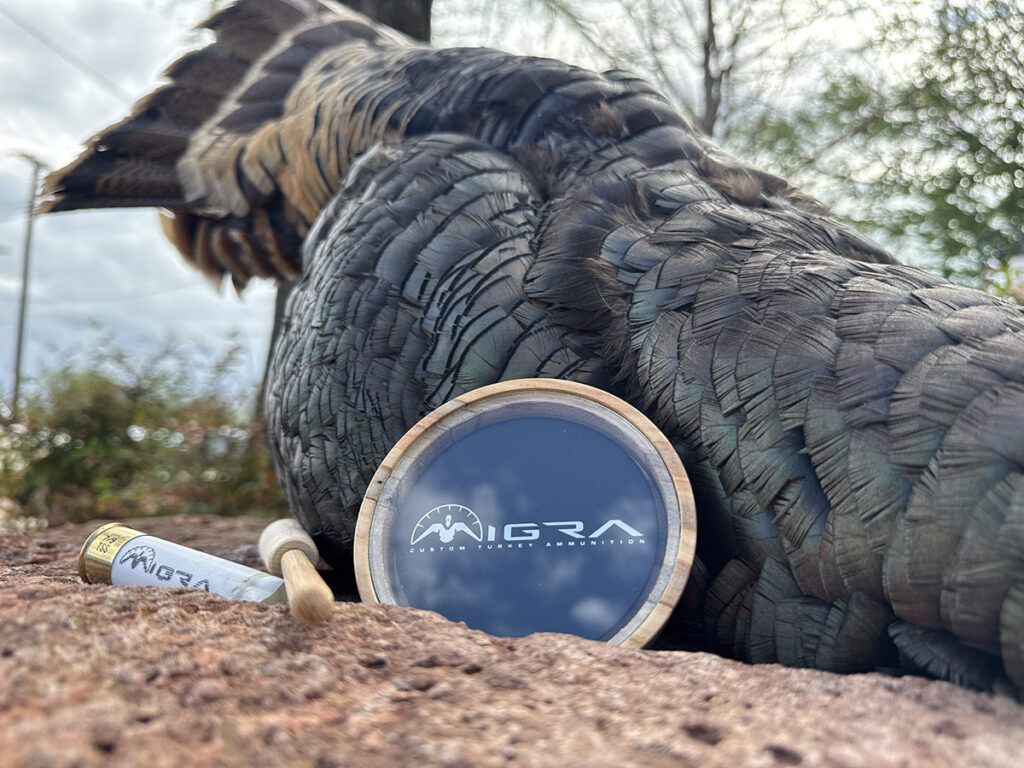
He was spooked. It was now or never. I hate rushing, having to shoot before I am ready, but it was time.
I had slipped the safety off a minute before. I positioned the bead and squeezed the trigger.
The bird dropped—but quickly got back on his feet and started moving away.
The gun jammed for a second (or it was user error) and I started to panic.
By that time, the gobbler was over 30 yards away, which honestly was more comfortable for me with a dialed-in gun and TSS. I lined up again, took a breath, and dropped him.
I’d patterned both of MIGRA’s loads earlier that spring from 10 yards out to 50 yards and knew what was possible. At 30 yards, the pattern is absolutely devastating. The bird hardly flopped.
Isaac and I jumped up in excitement over how the hunt had unfolded.
I grabbed my first Rio by the feet while he flapped his wings a few times. As exciting as the last few days had been, it was all over on the final morning. The rain had stopped, the wind died, and everything came together in a unique way.
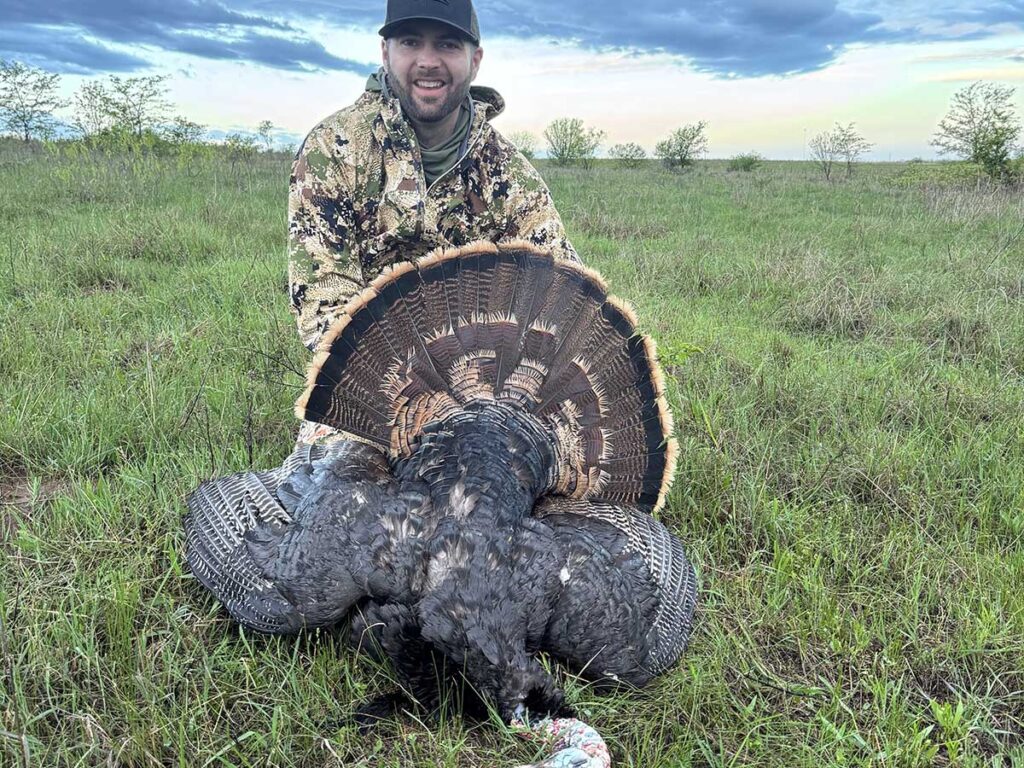
I’m always up for an adventure. I prefer not to have things dialed in, and rarely do I expect things to go as planned. “Freelancing,” as I like to call it, is where things go off script, not how anyone would have drawn it up, and you just make it happen. I really enjoy it, and testing the limits of comfort and patience.
Isaac had the birds located, and we had to make it happen. And we did.
Over the past handful of years, I’ve been extremely lucky to be part of some incredible hunts. I’ve shot a couple of birds in unique situations, making it happen with some very good friends.
The last bird I shot in New York was a double-beard—my first one. I shot it with one minute left before noon. It was 11:59. It came just a minute after my good friend Jace Basuerman shot his first New York turkey on day two of the season. The day before, he shot his first Vermont turkey.
Well, this was my next turkey—and it was also a double-bearded bird.
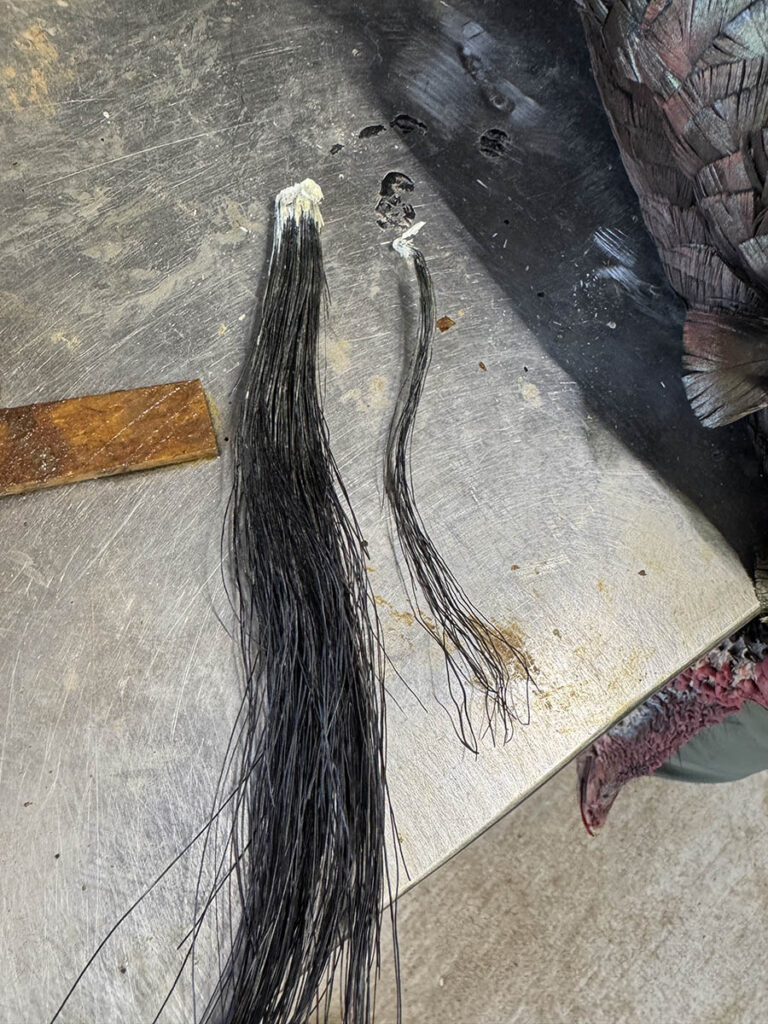
My first Rio.
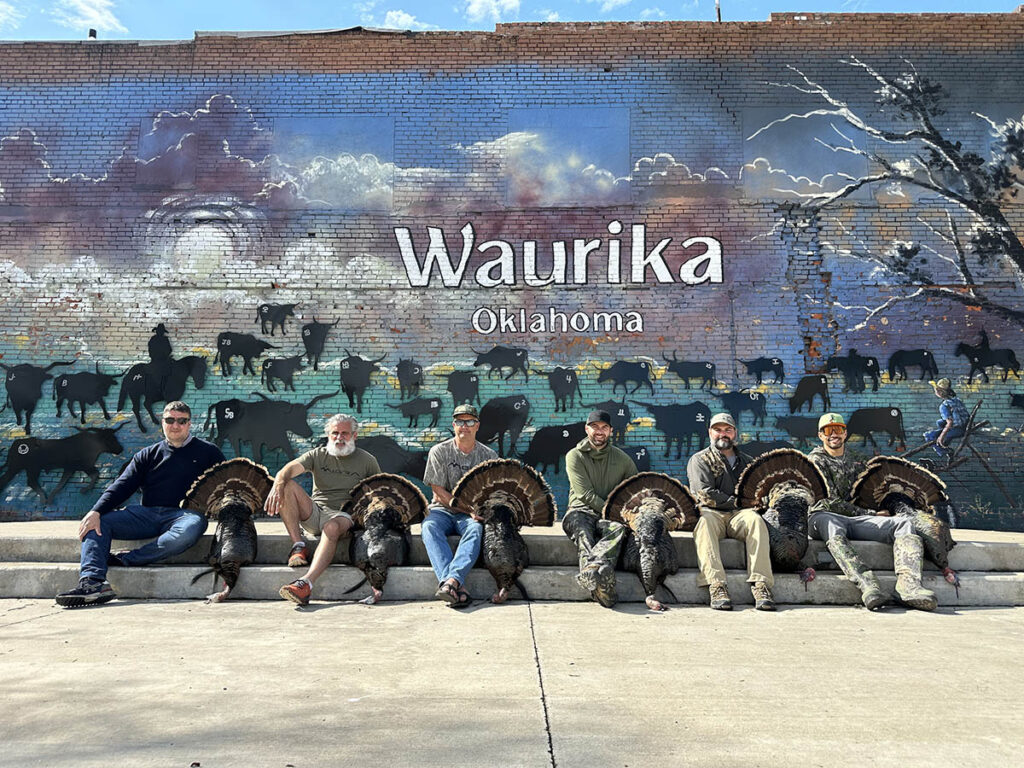
In a camp full of new friends.
Isaac was excited. I was excited. I’ve hunted for over 20 years and Isaac guides a ton of hunters every season. But it doesn’t matter—I was just as happy as if it were my first turkey.
Doug shot a turkey that morning as well with Trent, about 1,000 yards down the ridge from where I was. We heard their shot about 20 minutes before I shot mine.
We loaded up and prepared to walk back through the jungle as the rain started falling again. Trey and Doug were waiting to give us a ride down the muddy dirt road back to where we parked. The excitement ran high, but the rain came down heavy, so we made our way quickly to the truck.
Back at camp, the crew was hanging out, getting some work done, and excited to check out our turkeys. Looking back a year later, I can remember it like it was yesterday. Like most hunts with good people, the memories stick with you. And with a double-bearded Rio fan now hanging on my office wall, I’m often reminded how lucky we are as hunters—to watch the sun come up, chase wild turkeys, and spend another day outdoors.
Not long after, I was on an early flight home, just in time to get ready for opening day in New York with my good friend Derek Horner of Outdoor Life. Another hunt, another sunrise, and another reminder of why we keep doing it.
The Gear
SITKA Equinox Guard: By this point, if you haven’t heard of Equinox Guard as a turkey hunter, it might be too late. It’s a staple for spring and comes pre-treated with permethrin, meaning ticks and mosquitoes become an afterthought. It’s lightweight, breathable, and comfortable, with a built-in face mask, and works together as a system to keep pesky insects out.
SITKA VentLite GTX Boots: I was lucky enough to have the VentLite GTX boots in time for this hunt, and thank goodness I did. With the vast rolling hills and changing temperatures that come with spring in Oklahoma, I needed something breathable—and that’s exactly what these boots deliver. All-day comfort and Gore-Tex that allows moisture to escape kept my feet dry the entire time.
MIGRA TSS 20 Gauge Ammo: I did a big TSS test about a month before this hunt, so I knew exactly what to expect. I used MIGRA’s 20-gauge load on this trip and had confidence long before the hunt even started. From 10 yards to 50 and beyond, the stacked 7/9 shot delivers devastating, forgiving patterns that kill on impact. Paired with a Mossberg, it made for a super lightweight combo to carry on long days in the field.
Game Winner Low-Profile Mesh Turkey Chair: I was familiar with Game Winner products before, but I was excited to spend some real time sitting in one while waiting for a Rio to fire up. Especially during long morning and afternoon setups, this chair was super comfortable and helped keep us in the game.
More On Bird Hunting
- Dove Hunting In South Texas: An Ideal Beginner’s Hunt
- Raising Carnivores: Kid-Friendly Game Recipes
- Spandau S2 Review: Economical Inertia
- From Field To Table With Outdoor Solutions
- Federal Premium Hi-Bird Review : Field Tested Pigeon Hunting
Why You Can Trust CARNIVORE
Since its launch, CarnivoreWeb.com has been a trusted authority on hunting, fishing and wild food, delivering expert insight for outdoorsmen who live the field-to-table lifestyle. More than a hunting and fishing site, CarnivoreWeb.com covers the full spectrum of the modern outdoors—from rifles, bows, and fishing gear to cooking, conservation and adventure.
Our contributors are drawn from across the hunting and angling world, including seasoned guides, lifelong hunters, competitive shooters and outdoor writers with decades of field experience. Every review, article and feature is built on firsthand testing, deep research, and an unwavering commitment to accuracy.
Commitment to Journalistic Principles
At CarnivoreWeb.com, upholding journalistic integrity is our top priority. We follow strict editorial standards to ensure all content is accurate, transparent, and unbiased. Our editors and writers operate independently, free from outside influence, advertisers or stakeholders. We adhere to established journalistic codes of ethics, holding ourselves accountable for the information we publish, correcting errors when they occur and disclosing any potential conflicts of interest.
This commitment ensures that our readers can trust CarnivoreWeb.com to provide reliable, honest coverage that helps them make informed decisions—whether selecting gear, honing outdoor skills or preparing wild game.
Find out more about our Editorial Standards and Evaluation Process

